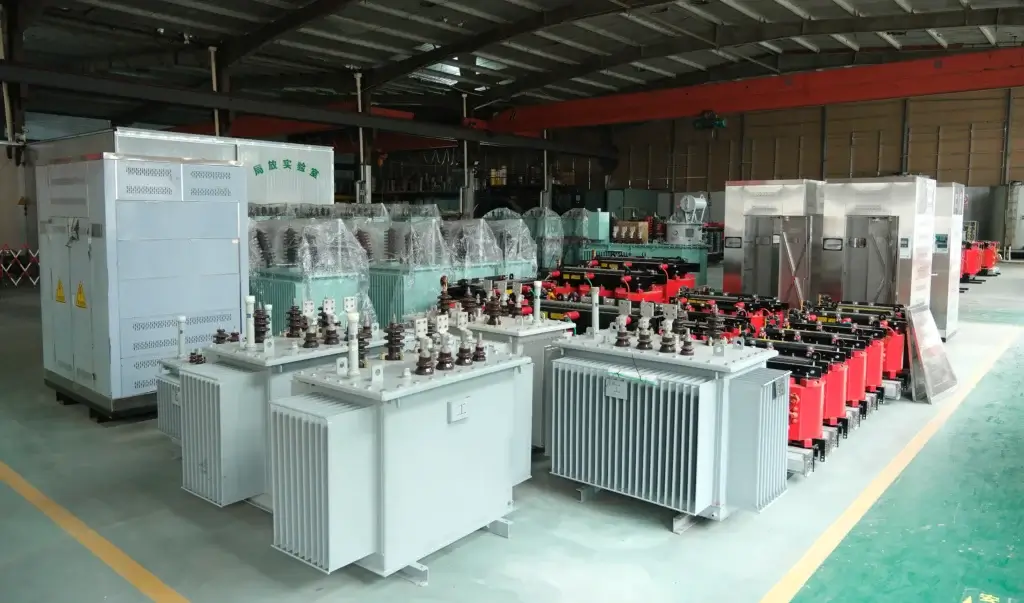
If you are working on an indoor power distribution project, you’ve likely asked: what is meant by dry type transformer? Unlike their oil-filled counterparts, these units don’t use liquid for cooling, making them a safer and more versatile choice for specific environments. In this guide, we will explore what does dry type transformer mean and why it has become an industry standard.
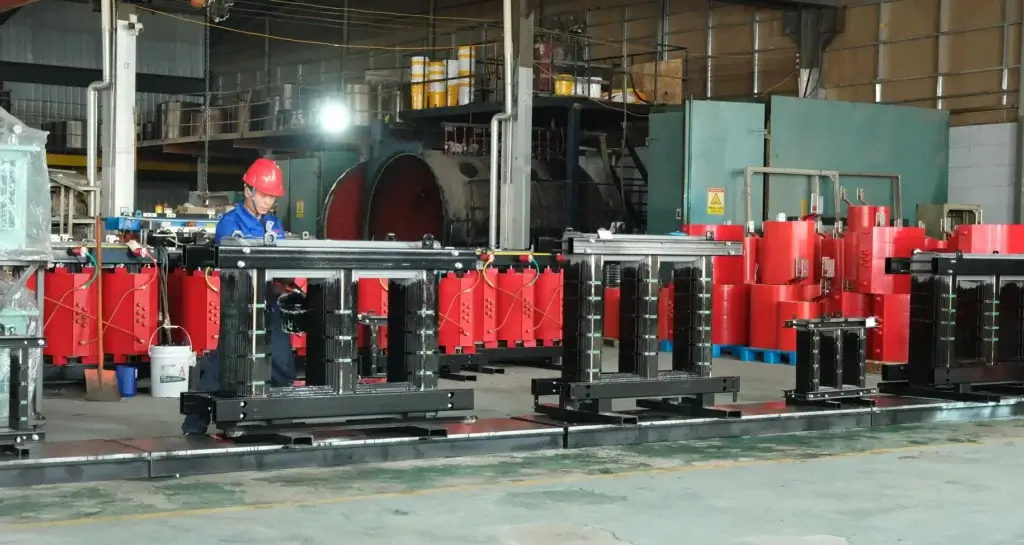
1.The Basics: What is a Dry-Type Transformer?
To put it simply, what does a dry type transformer do? It performs the same core function as any transformer—adjusting voltage levels—but it uses air as the cooling medium. When looking at what is dry type transformer in wikipedia, you’ll find it described as a static device with windings cooled by natural or forced air ventilation.
2. Key Types: Cast Resin vs. VPI
When sourcing from a manufacturer like Baitong Electric, you’ll encounter two main technologies:
- Cast Resin: What is cast resin dry type transformer? These have windings encapsulated in epoxy resin, making them moisture-proof and fire-resistant. This is often what people mean when they ask what is encapsulated dry type transformer.
- VPI (Vacuum Pressure Impregnation): What is vpi dry type transformer? These use high-temperature insulation and a vacuum process to ensure the coils are protected without full encapsulation, ideal for different cooling requirements.
3. The New Standard: Environmentally Friendly Dry-Type Transformers
At Baitong Electric, we are pushing the boundaries of traditional design with our Environmentally Friendly Dry-Type Transformers.
As global regulations tighten around sustainability, we’ve focused on two key green advantages:
- High Recyclability: Unlike standard cast resin units, our eco-friendly models use sustainable insulation materials that can be easily recovered and recycled at the end of the transformer’s life.
- Superior Energy Efficiency: These units are designed with low-loss silicon steel cores, significantly reducing operational costs and carbon emissions for your facility.
- Non-Toxic Safety: In the rare event of a fire, our green insulation releases zero toxic fumes, making them ideal for hospitals, schools, and “Green Building” certified projects.
4. Applications: What are Dry Type Transformers Used For?
A common query from our procurement partners is: what are dry type transformers used for in buildings? Due to their compact size and fire safety ratings, they are essential for:
- High-Rise Infrastructure: Eliminating the need for expensive fire-walled oil pits.
- Underground Stations: Providing reliable dry type distribution transformer performance in damp or poorly ventilated areas.
- Renewable Energy: Stepping down power in wind and solar farms where soil contamination from oil leaks is a major concern.
5. Conclusion: What is a Dry Type Transformer Advantage?
When you weigh the options, the use of dry type transformer comes down to three pillars: Safety, Versatility, and Low Maintenance.
As a professional manufacturer with ISO 9001 and 14001 certification, we ensure that every unit—from our standard cast resin models to our latest eco-friendly designs—meets the rigorous demands of the international grid.
Are you planning an upcoming power project? Whether you need a standard 11kV unit or a customized high-voltage solution (up to 35kV), our team is ready to help.