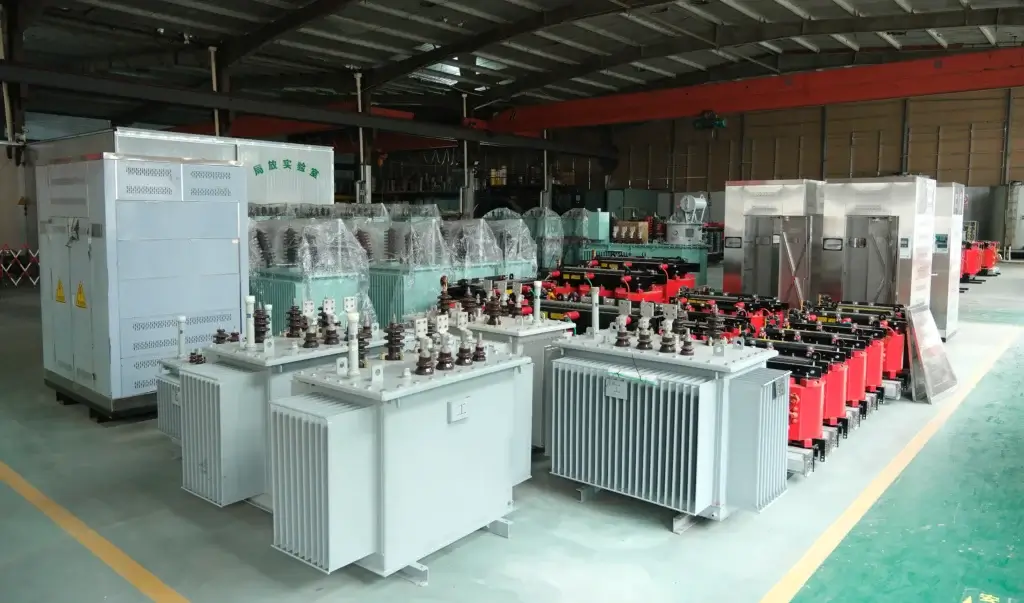
In our Wenzhou facility, we often walk clients through the production floor where both oil-immersed and dry-type transformers are assembled side-by-side. The most common question we face isn’t “which is better,” but “which is right for my specific grid environment?”
As a manufacturer with ISO 9001 and 14001 certifications, Baitong Electric approaches this comparison not through marketing fluff, but through engineering realities: safety, thermal efficiency, and long-term ROI.
1. The Core Differences: Beyond the Cooling Medium
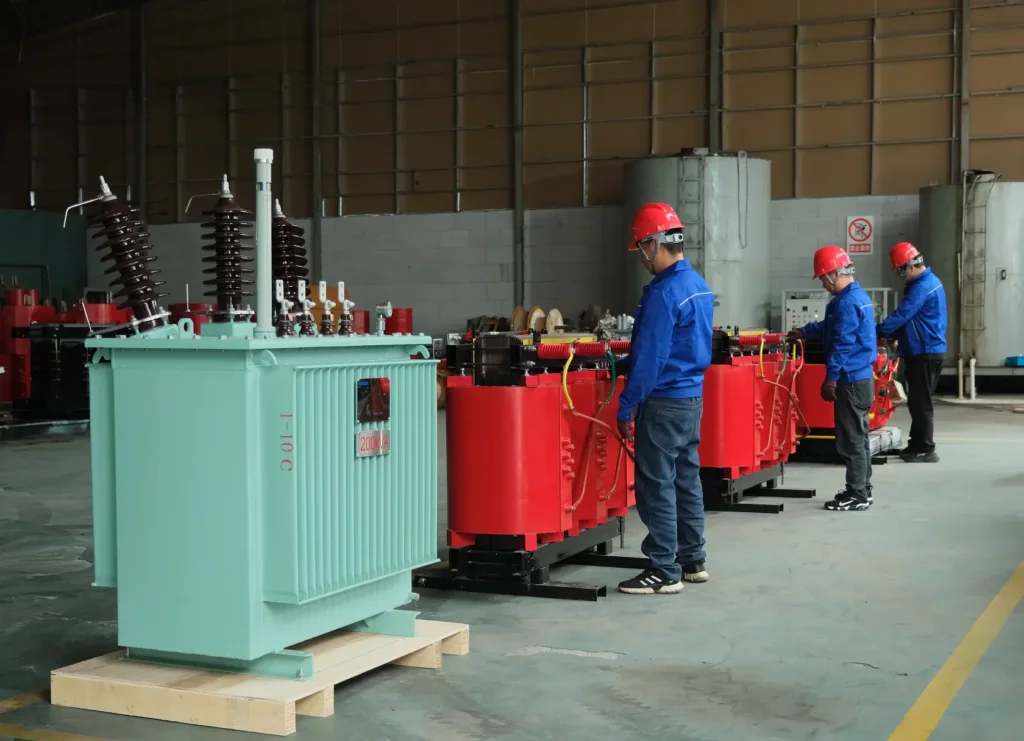
While the basic principle of electromagnetic induction remains the same, the execution differs significantly:
- Oil-Immersed Transformers: These units are submerged in high-grade mineral oil. This oil serves a dual purpose: it is a superior insulator and a highly efficient cooling agent. For high-voltage applications (especially at the 35kV level), oil remains the gold standard for heat dissipation.
- Dry-Type Transformers: Instead of oil, these use air and solid insulation (like cast resin). Because there is no flammable liquid, they are the safer choice for indoor or confined spaces.
2. When to Choose an Oil-Immersed Transformer?
From our experience shipping to global infrastructure projects, oil-immersed power transformers are the workhorses of the outdoor grid.
- Handling High Voltages: For utilities requiring 35kV and above, oil-filled units handle dielectric stress more effectively than air-cooled units.
- Self-Cooling Efficiency: An oil immersed self cooled transformer requires no external fans for standard operations, relying on natural convection.
- Initial Investment: If your project is outdoors and you are looking for the best oil immersed transformer price per kVA, these units typically offer a lower upfront cost compared to dry-types.
The Baitong Advantage: We use advanced sealing techniques to prevent oil leakage—the #1 complaint in our industry—ensuring our mineral-immersed units are both reliable and environmentally responsible.
3. When to Choose a Dry-Type Transformer?
If your project is located in a high-rise building, a hospital, or an underground station, the decision is almost always driven by safety.
- Fire Safety: Since they don’t contain oil, there is zero risk of explosion or toxic smoke. This is why cast resin dry type transformers are mandatory in many urban building codes.
- Low Maintenance: You don’t need to test oil acidity or check for leaks. For a dry type distribution transformer, periodic dust cleaning is usually the only maintenance required.
- Baitong’s Eco-Friendly Innovation: For clients focused on sustainability, we now offer Environmentally Friendly Dry-Type Transformers. These use nearly 100% recyclable insulation materials, helping you meet “Green Building” certifications without sacrificing performance.
4. Technical Comparison at a Glance
| Feature | Oil-Immersed (35kV & Below) | Dry-Type (Cast Resin/VPI) |
| Cooling | Oil (ONAN/ONAF) | Air (AN/AF) |
| Installation | Primarily Outdoors | Indoors / Confined Spaces |
| Maintenance | Regular Oil Testing Required | Minimal (Vacuuming/Cleaning) |
| Fire Risk | Requires Fire Walls/Oil Pits | Non-flammable / Self-extinguishing |
| Recyclability | High (Oil & Copper) | Higher (Eco-friendly models) |
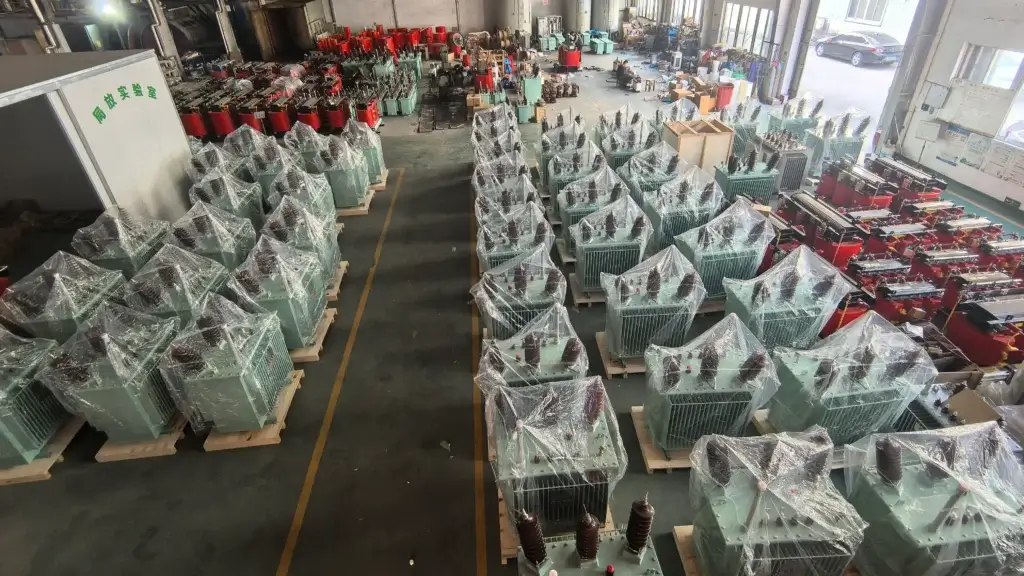
5. Final Verdict: Which One Should You Order?
There is no “one-size-fits-all” in power distribution.
- Choose Oil-Immersed if you are building an outdoor substation, need to handle heavy-duty high voltage, and are looking for a durable, cost-effective solution.
- Choose Dry-Type if you are installing equipment near people, in buildings, or in areas where oil contamination is a legal or environmental liability.
At Baitong Electric (btcnelectric), we don’t just sell you a product; we provide a customized voltage solution. Whether you need a standard oil immersed type transformer or a specialized eco-friendly dry-type unit, our engineering team is here to review your specifications.