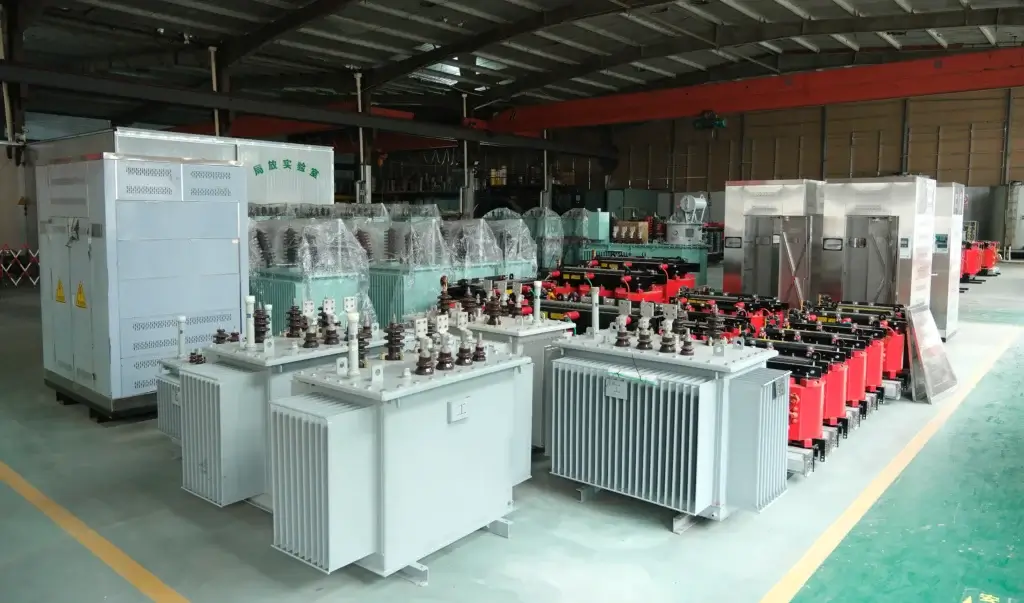
When most electrical engineers sketch out a new power distribution network, dry-type transformers are almost automatically placed indoors. Cast resin technology is brilliant for fire safety and low maintenance, but exposing those coils to driving rain, coastal salt fog, or sub-zero winds is a completely different engineering challenge.
As a specialized outdoor dry type transformer manufacturer, we at Baitong Electric frequently review project tenders where standard indoor specs are simply copy-pasted with an “outdoor box” added on. Unfortunately, real-world weather doesn’t work that way. If you are sourcing equipment for a solar farm, a mining site, or an urban installation without a dedicated substation building, here is what actually matters on the production floor.
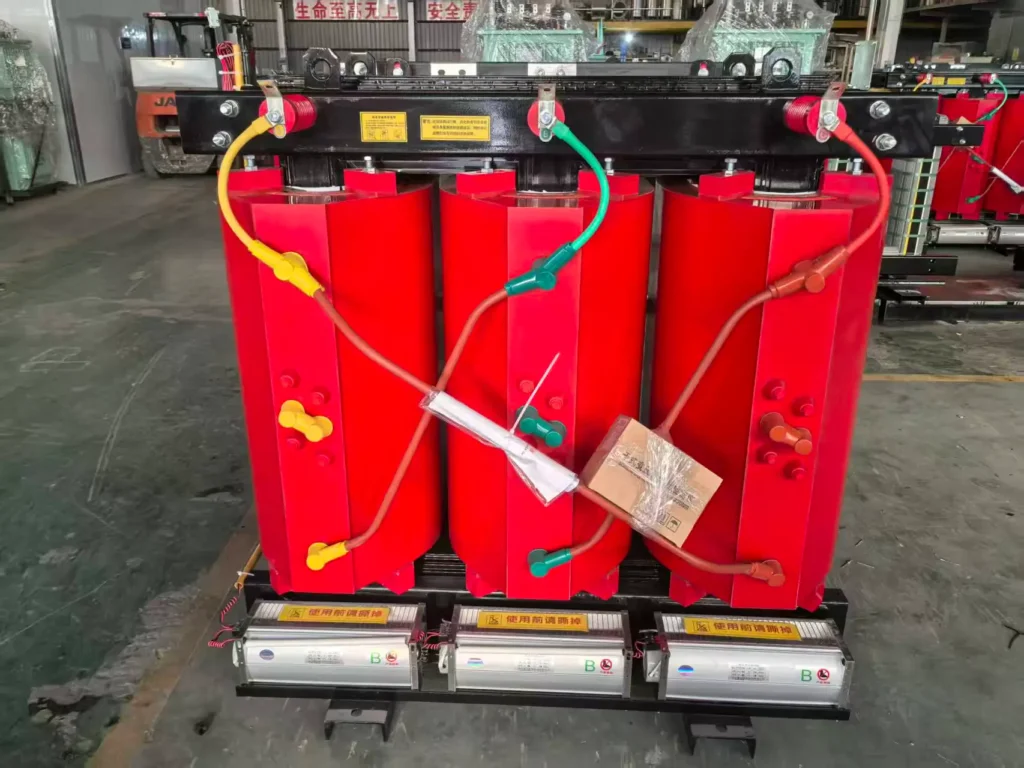
It’s Not Just a Metal Box: The Enclosure Reality
The most common mistake we see is underestimating the enclosure. You cannot just take a standard IP20 unit, slap some sheet metal around it, and call it weatherproof.
When you evaluate an outdoor dry type transformer manufacturer, the first thing to inspect is their fabrication capability. For outdoor applications, the enclosure must be custom-engineered to at least IP54, and often IP65 or NEMA 4X, depending on the site. At our facility, we fabricate these housings using heavy-gauge galvanized steel or marine-grade stainless steel, coated with UV-resistant powder finishes. More importantly, the louvers and ventilation paths must be precisely calculated. The enclosure has to breathe to dissipate the immense heat generated by the core, but it must completely block wind-driven rain and dust from reaching the live components.
Battling Condensation: The Silent Coil Killer
Water and high voltage are a disastrous combination. While rain is blocked by the outer shell, the real threat is internal condensation. If the ambient temperature drops sharply overnight, moisture in the trapped air will condense on the cold epoxy coils. If the transformer is then energized, this thin layer of water can instantly cause partial discharge, eventually degrading the insulation and causing a catastrophic blowout.
Any reputable outdoor dry type transformer manufacturer knows that passive ventilation isn’t enough. On our assembly line, we integrate thermostatic anti-condensation space heaters directly into the enclosure. These smart systems monitor the internal micro-climate and automatically warm the air when humidity spikes, ensuring the cast resin coils remain perfectly dry before the load is applied.
UV Resistance and Void-Free Casting
Sunlight is brutal on standard plastics and resins. If any part of the coil insulation or the high-voltage bushings is exposed to long-term UV radiation, the material will become brittle and crack.
This is why the vacuum casting process is critical. We utilize premium epoxy resin formulations mixed with specific silica fillers designed to withstand extreme temperature fluctuations and resist UV degradation. Our vacuum casting ensures a completely void-free solid insulation, meaning there are no microscopic air pockets where moisture can hide or thermal stresses can build up.
The Bottom Line for EPC Contractors
Sourcing heavy equipment for unprotected environments leaves zero room for corner-cutting. You need an engineering partner who understands the difference between theoretical specs and a decade of harsh weather exposure.
By working directly with a dedicated outdoor dry type transformer manufacturer like Baitong Electric, you eliminate the guesswork. You speak directly to the engineers designing your ventilation, the technicians pouring your resin, and the quality control team testing your unit against international IP ratings (Ingress Protection) before it ever reaches the shipping dock.
If your next grid project requires a robust, weather-defying voltage solution, our engineering team is ready to review your single-line diagram.