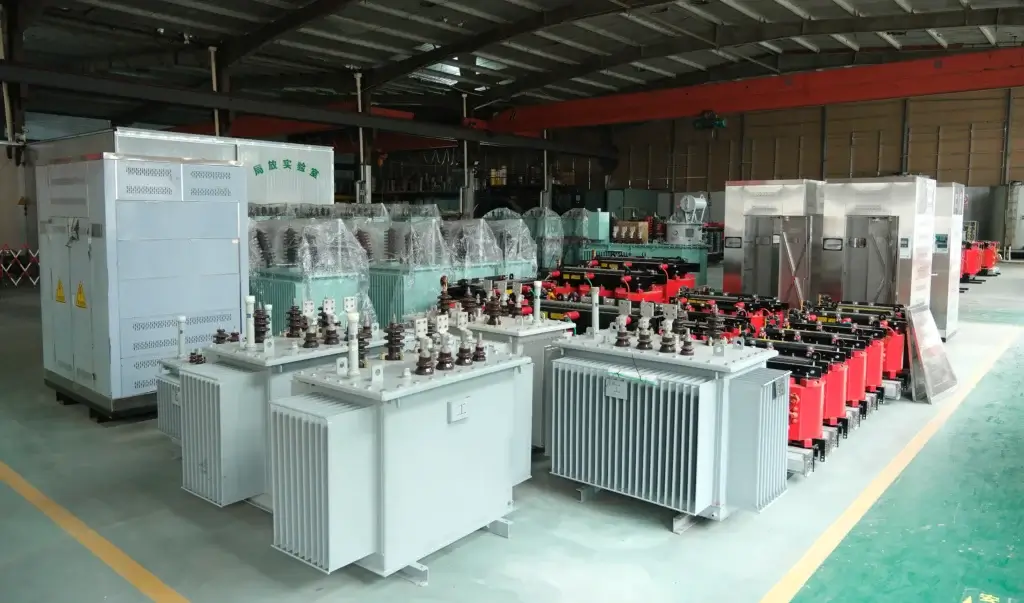
Oil-immersed transformers remain a practical choice for utility networks, industrial plants, renewable energy projects, and infrastructure systems. As an experienced oil immersed transformer manufacturer, Baitong Electric supplies transformer solutions based on each project’s capacity, voltage, operating environment, and technical requirements.
However, transformer selection involves more than choosing a rated capacity. Buyers must also consider voltage class, loss performance, impedance, cooling method, installation environment, accessories, testing, and transportation conditions.
This guide explains the main points that distributors, contractors, EPC companies, and project engineers should evaluate before placing an order.
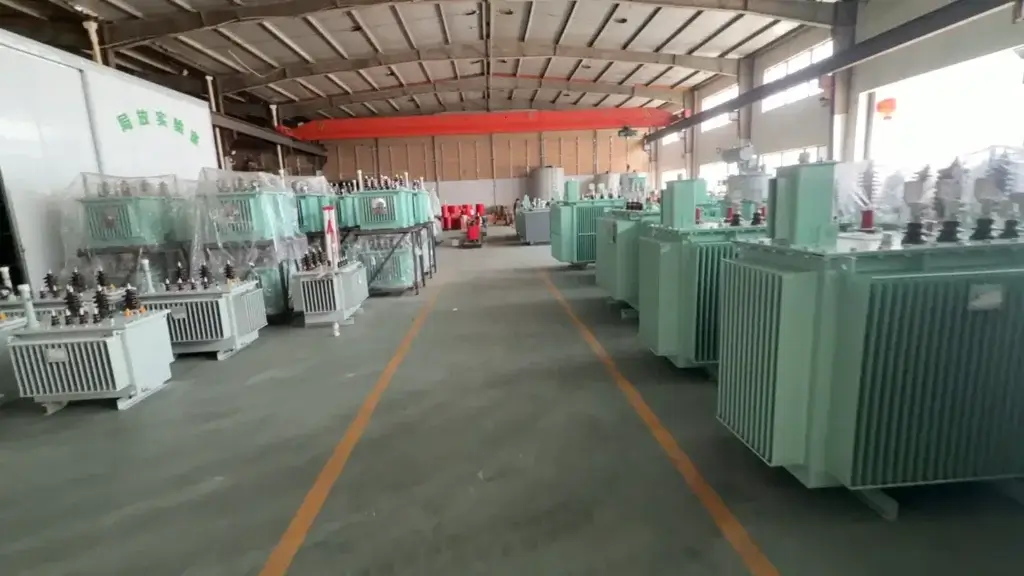
Why Use an Oil-Immersed Transformer?
Oil-immersed transformers are widely used because their liquid insulation supports effective heat dissipation and reliable operation under demanding loads.
The transformer oil performs two important functions. First, it insulates energized components inside the tank. Second, it carries heat away from the core and windings. Corrugated tank walls, radiators, or other cooling structures then release that heat into the surrounding air.
Common applications include:
- Utility distribution networks
- Industrial production facilities
- Mining and processing plants
- Solar and wind power projects
- Commercial developments
- Outdoor substations
- Infrastructure and municipal projects
A liquid-filled unit can be suitable for outdoor installation when its tank, sealing system, bushings, coating, and accessories are selected for the actual site conditions. Buyers should still check ambient temperature, altitude, humidity, pollution level, and available installation space.
Specifications Buyers Should Confirm
When comparing oil-immersed transformers, begin with a complete technical specification. A model number or capacity alone is not enough.
Rated Capacity and Voltage
Confirm the required capacity in kVA or MVA, as well as the high-voltage and low-voltage ratings. The supplier also needs the system frequency, number of phases, tapping range, and vector group.
Load characteristics matter too. Motors, rectifiers, variable-frequency drives, and other nonlinear loads may affect transformer design. Tell the manufacturer if the installation has frequent load changes, harmonic currents, or unusual starting conditions.
Losses and Efficiency
Ask for both no-load loss and load loss values. No-load loss continues whenever the transformer is energized, while load loss changes with current.
A lower purchase price does not always produce a lower operating cost. For transformers that remain energized continuously, lifecycle loss costs can be important. Projects entering the US market should compare the proposed design with applicable U.S. Department of Energy distribution transformer requirements.
Impedance and Temperature Rise
Impedance affects voltage regulation and short-circuit current. It must coordinate with the project’s protection system and connected equipment.
Temperature rise should also match the loading profile and ambient conditions. An unsuitable temperature-rise specification can shorten insulation life or increase unnecessary cost.
Cooling, Tank Design, and Accessories
Confirm the required cooling method, tank structure, oil preservation arrangement, and corrosion protection. Depending on the design, accessories may include:
- Oil level indicator
- Pressure relief device
- Temperature indicator
- Drain and sampling valve
- Off-circuit or on-load tap changer
- Gas-actuated relay
- Current transformers
- Cable boxes or terminal enclosures
- Monitoring contacts
Accessories should be selected according to the transformer rating and project requirements. They should not simply be copied from another project.
Manufacturing and Quality Checks
Reliable oil-immersed transformers depend on controlled materials, production processes, and final inspection.
The magnetic core should be assembled carefully to control losses, vibration, and noise. Winding conductors, insulation materials, and clearances must follow the approved design. During assembly, workers must protect the active part from dust and moisture.
The oil-filling process also requires attention. Before filling, the tank and internal assembly should be inspected for cleanliness and sealing. The insulating liquid must meet the specified electrical and physical requirements. Depending on the transformer design, vacuum treatment may be used to reduce trapped air and moisture.
Tank welding, sealing surfaces, bushings, valves, and gaskets should be checked before shipment. Routine electrical tests help confirm that the finished unit matches its design data.
For general specification language and transformer testing principles, buyers can refer to IEC 60076-1 power transformer requirements. The final standard must still be agreed upon in the purchase specification.
Useful documents to request include:
- Approved technical data sheet
- General arrangement drawing
- Nameplate drawing
- Routine test report
- Accessory list
- Packing details
- Installation and maintenance instructions
How to Evaluate a Transformer Supplier
Before ordering oil-immersed transformers, evaluate the supplier’s engineering response as carefully as the quoted price.
A capable supplier should review missing or conflicting information before confirming the design. For example, the quotation should not proceed without clear rated voltages, frequency, capacity, tapping requirements, vector group, impedance, and service conditions.
Buyers should also ask the following questions:
- Can the supplier provide drawings for approval before production?
- Which routine tests will be completed?
- Can losses, impedance, dimensions, and total weight be confirmed?
- How will bushings and external accessories be protected during transport?
- Is the packing suitable for the selected shipping method?
- What information is required for installation and commissioning support?
Baitong Electric’s product range includes 10 kV and 35 kV-class oil-immersed transformer solutions. Each inquiry should be reviewed against the customer’s electrical system, operating environment, applicable standard, and delivery requirements.
Send the project specification, single-line diagram, required quantity, and installation conditions when requesting a quotation. Complete input allows the engineering team to prepare a more accurate technical proposal.
Frequently Asked Questions
What information is needed for a transformer quotation?
Provide the rated capacity, primary and secondary voltage, frequency, phase, vector group, tapping range, impedance, cooling method, installation environment, applicable standard, quantity, and required accessories.
What is the difference between no-load loss and load loss?
No-load loss mainly comes from the magnetic core and occurs whenever the unit is energized. Load loss mainly comes from winding resistance and varies with the electrical load.
How often should transformer oil be tested?
The interval depends on the transformer rating, operating history, site conditions, and maintenance policy. Oil condition, dielectric strength, moisture, and dissolved gases may be checked when required by the maintenance plan.